
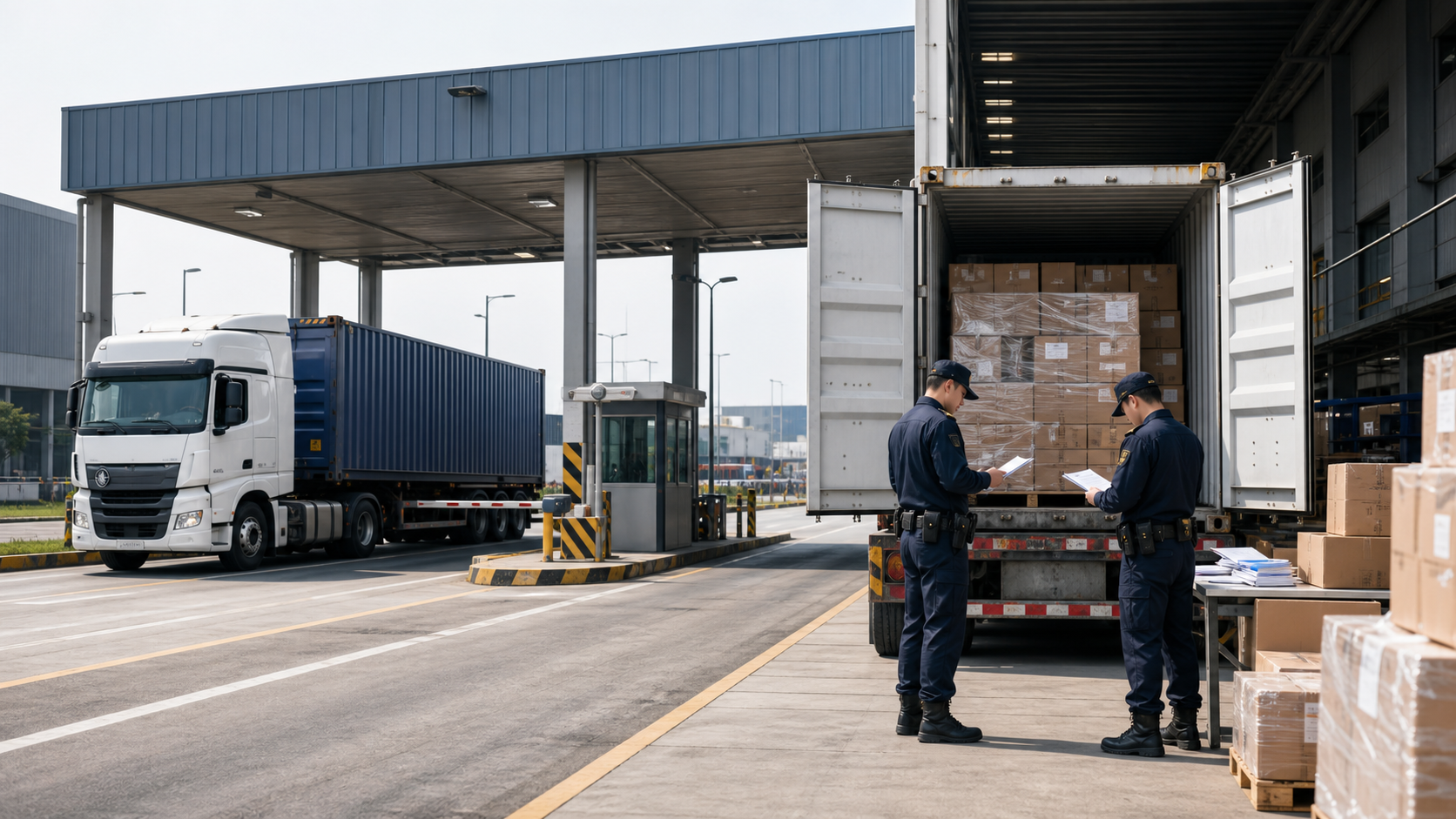

Transit and final customs clearance are two different customs procedures. Choosing the correct procedure affects documents, guarantees, routing, delivery and responsibility.
What is transit?
Transit allows goods to move under customs control from one authorized customs point to another without entering the local market at the first point. The movement may be domestic or international, depending on origin, destination and the applicable customs procedure.
What is final customs clearance?
Final clearance completes the import procedure for the destination market. It normally involves declaration, classification, valuation, permits, duties and taxes, inspections and release of the goods for the approved use.
Key operational differences
- Purpose: transit moves cargo between customs points; final clearance releases it for the destination market.
- Documents: both require transport and customs documents, but final clearance usually requires the complete import file and relevant permits.
- Guarantees: transit may require customs guarantees and strict time limits.
- Delivery: cargo under transit remains under customs control until the authorized procedure is completed.
Which option applies?
The answer depends on the cargo, route, importer, destination customs office, permits and current regulations. A shipment should not be booked on assumptions alone.
Behran Kala can review the operational facts and coordinate the agreed transport and customs scope through documented trade routes. Formal customs, legal or tax advice may require confirmation by the relevant specialist or authority.